Sludge Land Application

Survey, plan and apply. One team handles your entire sludge cleanout.

What it is

Sludge builds up in every anaerobic lagoon, eating into the storage you need for wastewater and rainfall. ASI removes that sludge and puts it to work as fertilizer on approved cropland. We manage the whole job: the sludge survey, the waste plan and the application itself.

Why you need it

  • State rules require yearly sludge measurement. Too much sludge puts your permit at risk.
  • Every foot of sludge is storage you lose before a storm.
  • Excess sludge clogs recycle, flush and irrigation systems and drives up odor.
  • Applied correctly, sludge is a valuable nutrient source for your fields.

Where does your lagoon fit?

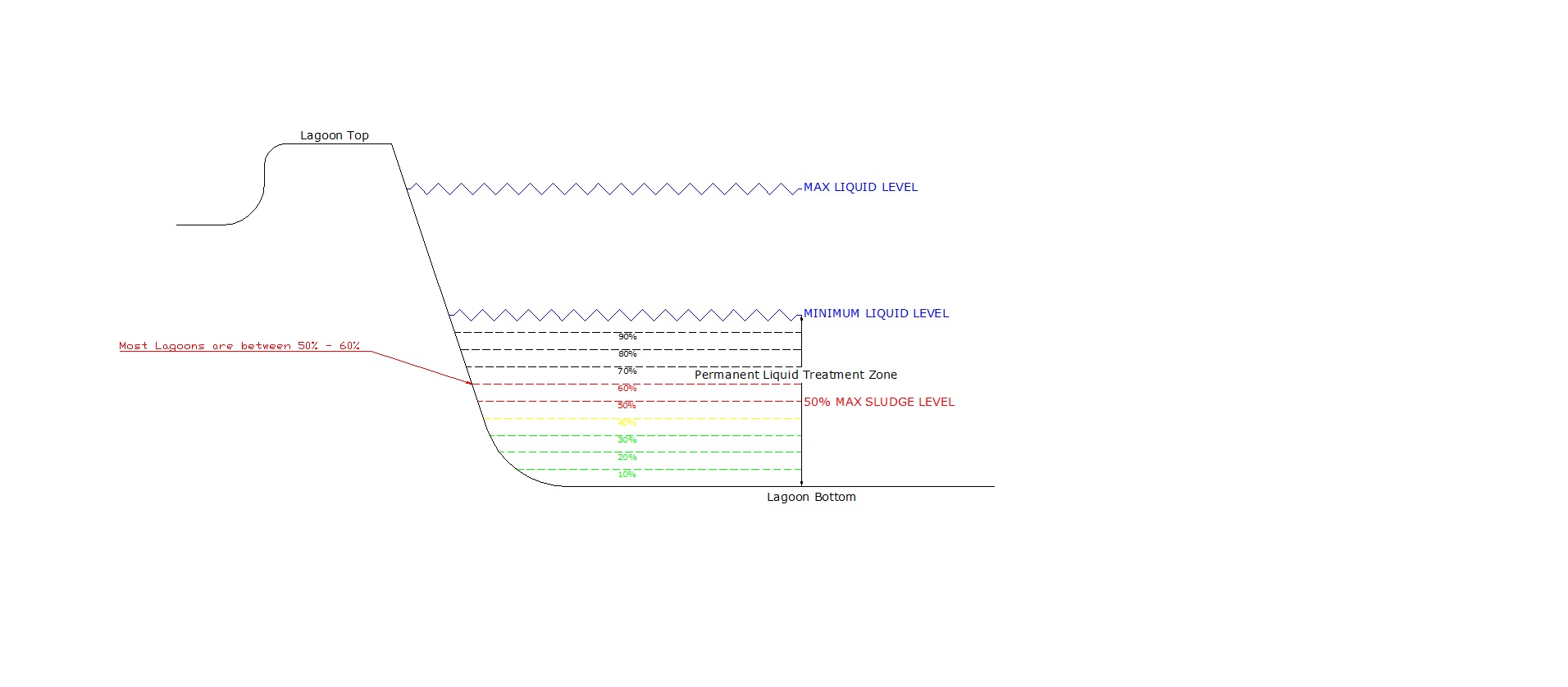
Sludge ratio chart showing lagoon sludge levels against design limits
Every lagoon has a design limit for sludge. Call us to find out where yours sits on this chart and schedule your cleanout.

Our process

  1. Sludge survey.

    We measure sludge depth and volume across your lagoon and compare it to your design limits. We survey more than 400 lagoons every year.

  2. Waste plan.

    Our certified technical specialists write or update the waste utilization plan: application fields, rates, crops and timing, all tied to nutrient and soil test results.

  3. Removal.

    Our crews agitate and pump the sludge with our own equipment, protecting lagoon banks and liners.

  4. Application and records.

    We apply at agronomic rates on the approved fields and deliver the documentation you need for your records and inspections.

Our equipment: the Fendt Sludge Management Program

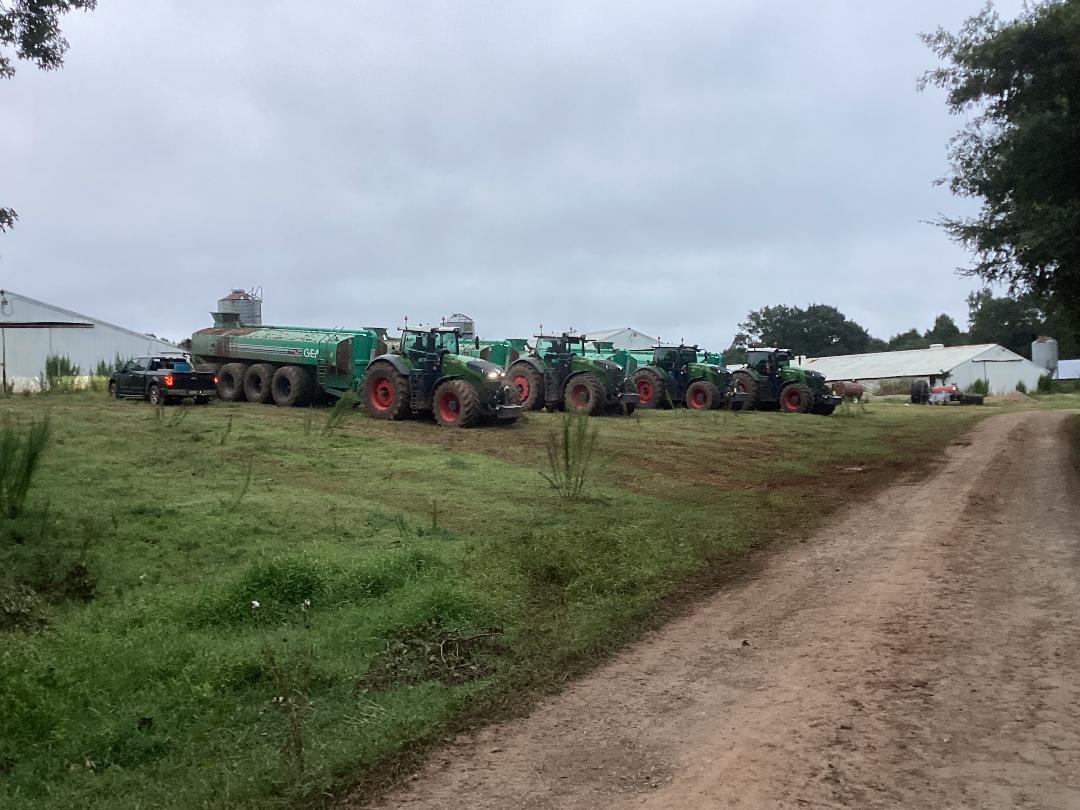
ASI Fendt tractors and 10,000-gallon sludge tanks
12,000 gal/min

Agitator with a 12-inch discharge, powered by a 300 hp Fendt 930. It reaches every part of a large lagoon.

10,000-gallon tanks

66% more than a standard 6,000-gallon tank, loaded in about 1 minute 30 seconds.

380 hp Fendt 1038s

Pull the tanks at up to 39 mph fully loaded, without DOT truck weight limits.

Up to 10 miles

Efficient land application on fields up to 10 miles away, cutting the cost of commercial transfer trucks.

Our affiliate Renewable Transport, LLC runs the program and is ISN certified. Faster loading and bigger tanks mean fewer trips, less bank traffic and a shorter job.

Fendt Sludge Management Program (PDF, 1 page)

Other ways we manage sludge

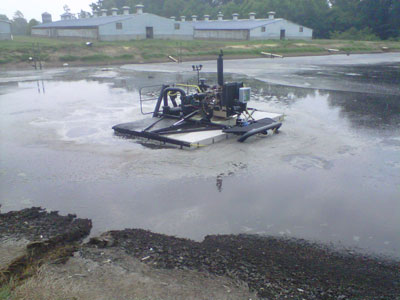
ASI Sludge Buster remote-controlled agitation boat

Sludge Buster Boat

Our remote-controlled agitation boat uses powerful vertical agitation to lift solids off the bottom of the whole lagoon for treatment and removal. One boat can replace three to four lagoon pumps and tractors and keeps heavy traffic off your banks.

Sludge Buster Boat sheet (PDF, 3 pages) · Trial results (PDF, 1 page)
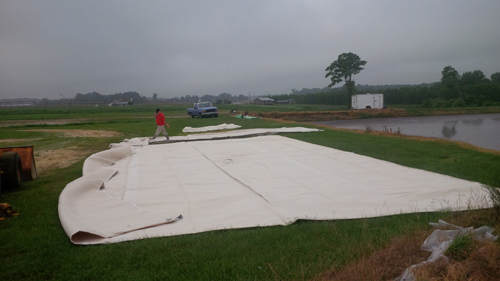
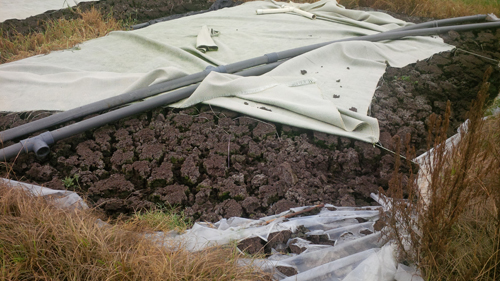
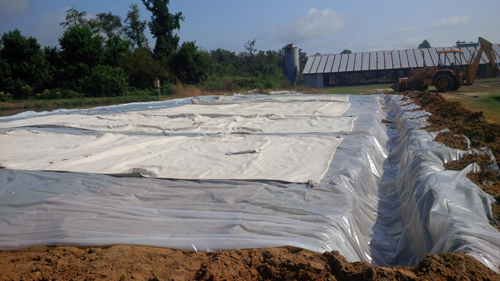
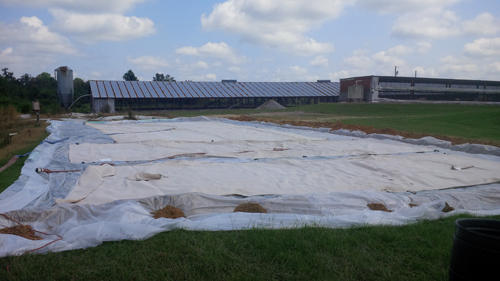
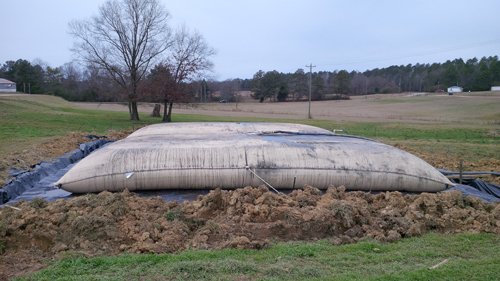
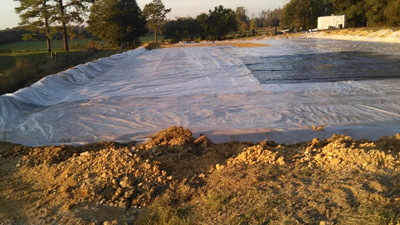
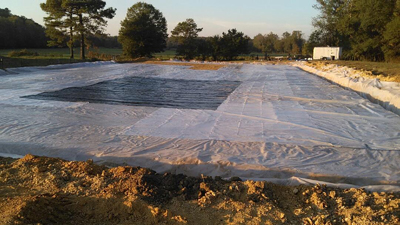
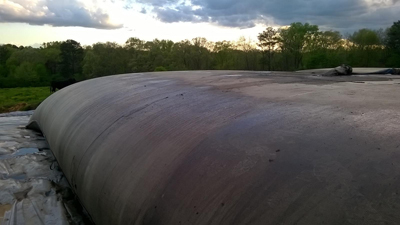
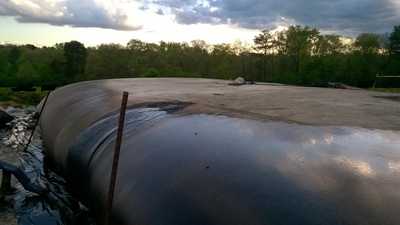
Geotextile dewatering bags on a farm

Dewatering and bagging

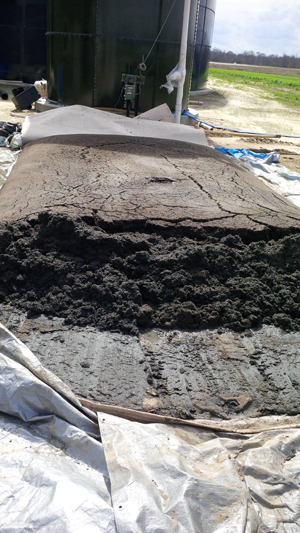
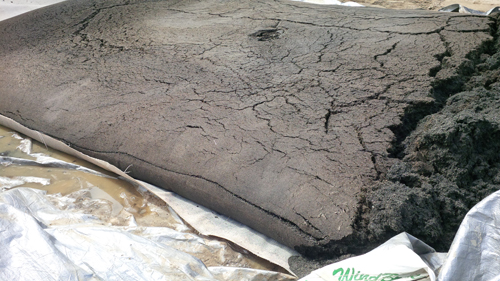
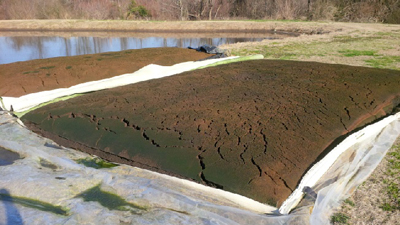
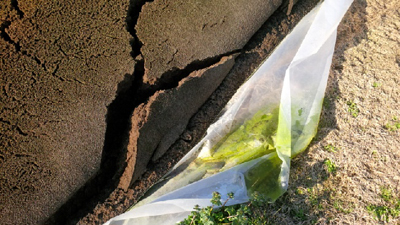
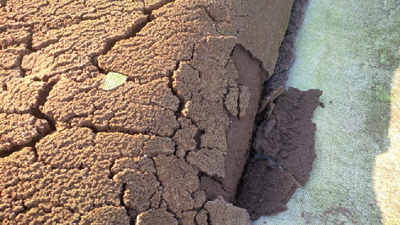
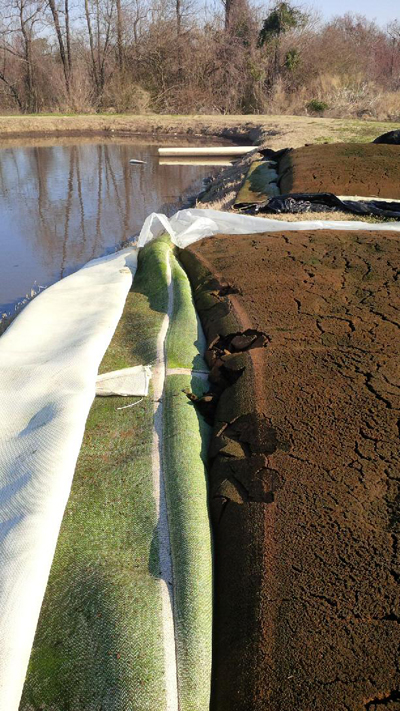
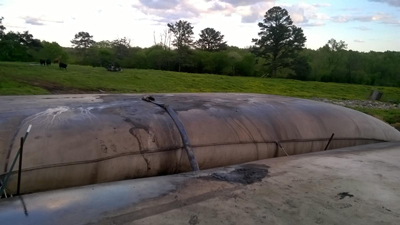
Sludge can be pumped into geotextile bags that drain and dry on site, giving you control over when and where the dried material is applied, over several crop cycles. If your application fields are more than 2.5 miles from the lagoon, bagging can cost about the same as conventional removal, and the dried material can offset the cost of clearing or building up cropland.

See the photos
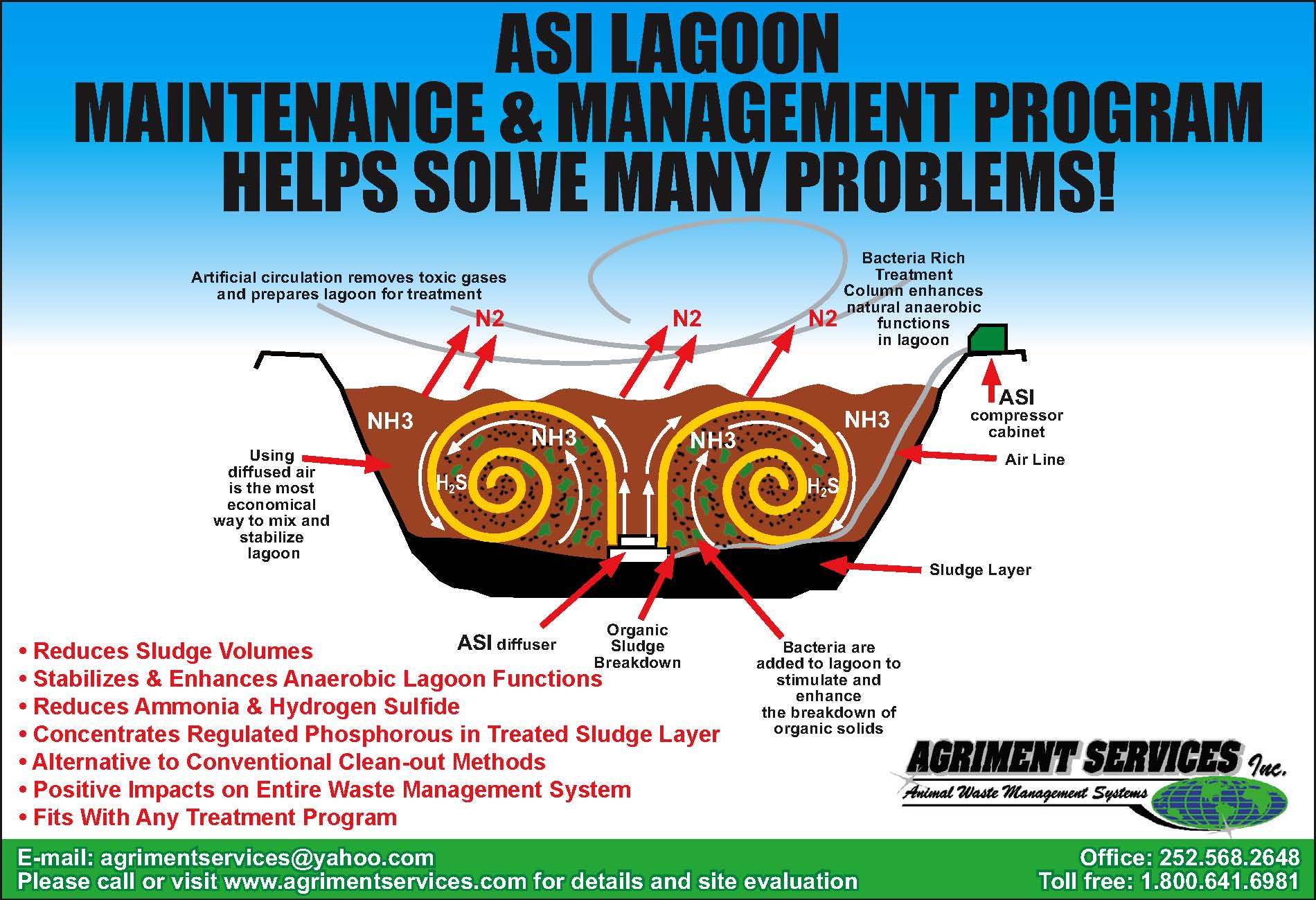
ASI Lagoon Maintenance and Management Program diagram

Biological sludge reduction

The ASI Lagoon Maintenance & Management Program combines our bacterial products with aeration to restore the lagoon's own digestion. It reduces sludge volumes, stabilizes anaerobic function, lowers ammonia and hydrogen sulfide, and concentrates regulated phosphorus in the treated sludge layer.

See the products

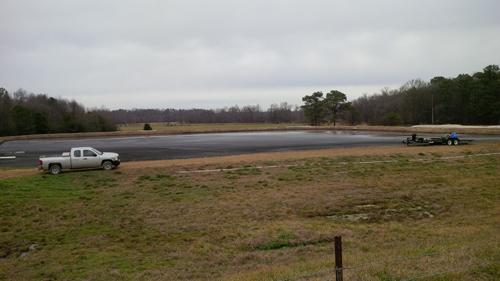
Dewatering and bagging photos

ASI crews completing a sludge land application.

Why ASI

30+ years of sludge surveys, plans and cleanouts across NC and the Midwest.

One accountable team from survey to final records.

Four ways to handle sludge: land application, agitation boat, dewatering and biological reduction.